
Fish On Paving & Chip Seal
Paving, Chip Sealing, and Sealcoating Company In Missoula, MT
At Fish On Paving & Chip Seal, we bring years of expertise to every project. As a trusted paving company serving Missoula, Montana, we specialize in high-quality asphalt paving, sealcoating, and chip sealing services you can rely on. Whether you need a smooth new driveway, a durable parking lot, or expert chip sealing, we deliver long-lasting, professional results. No job is too big or too small—we handle every project with precision, reliability, and a commitment to excellence.
What Is Chip Sealing?
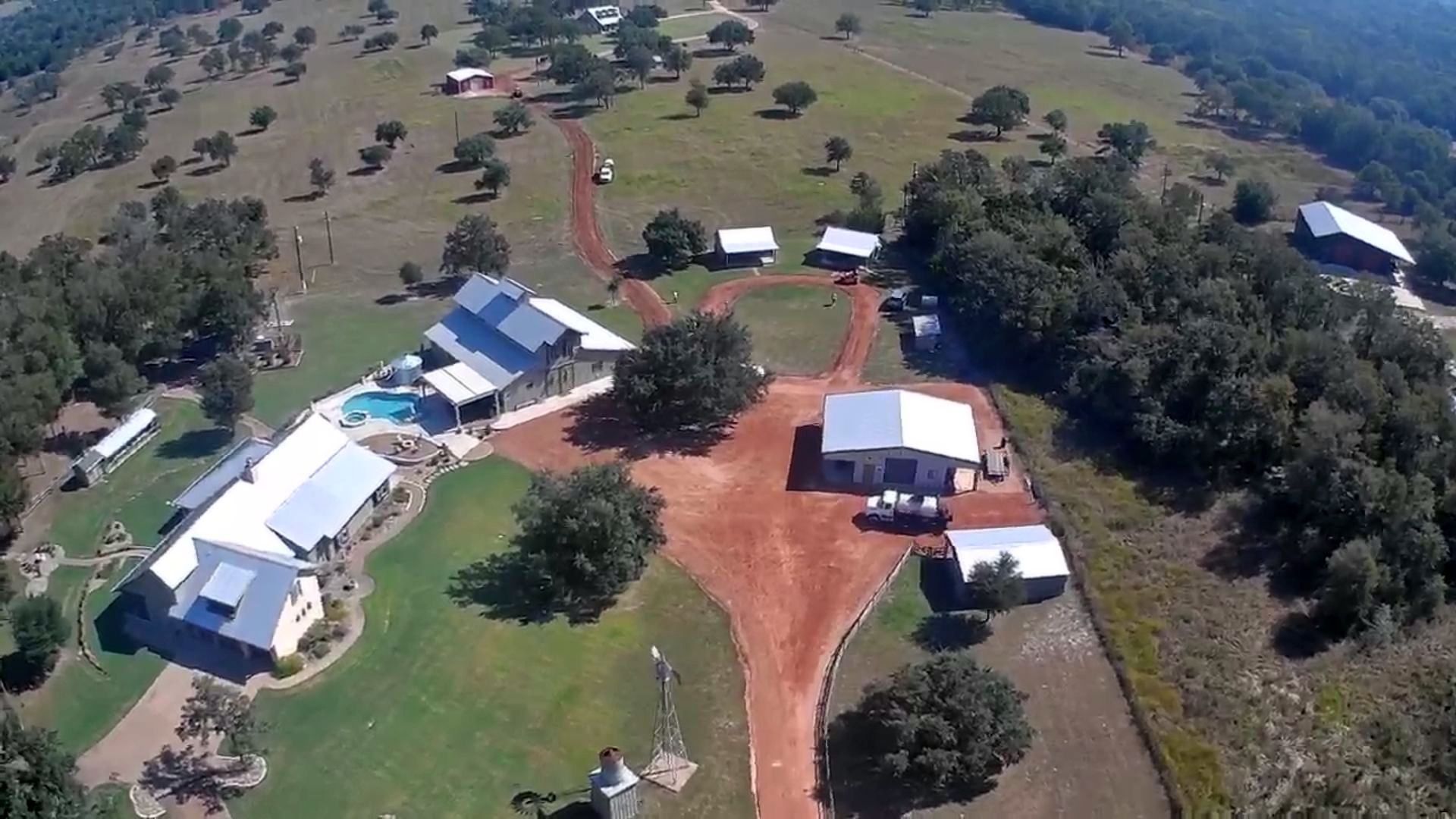
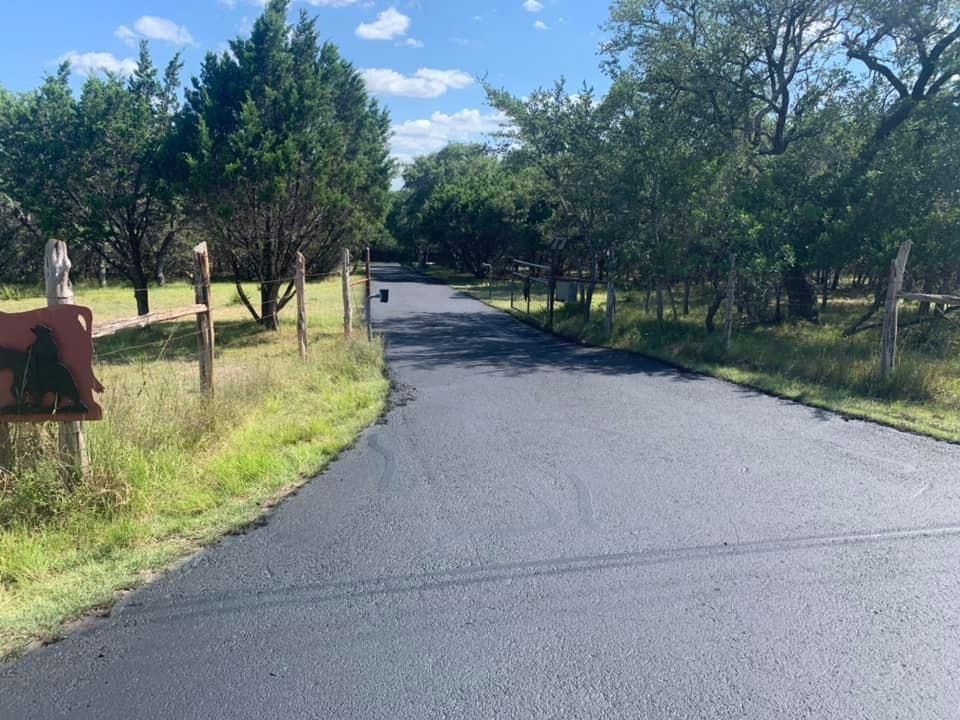
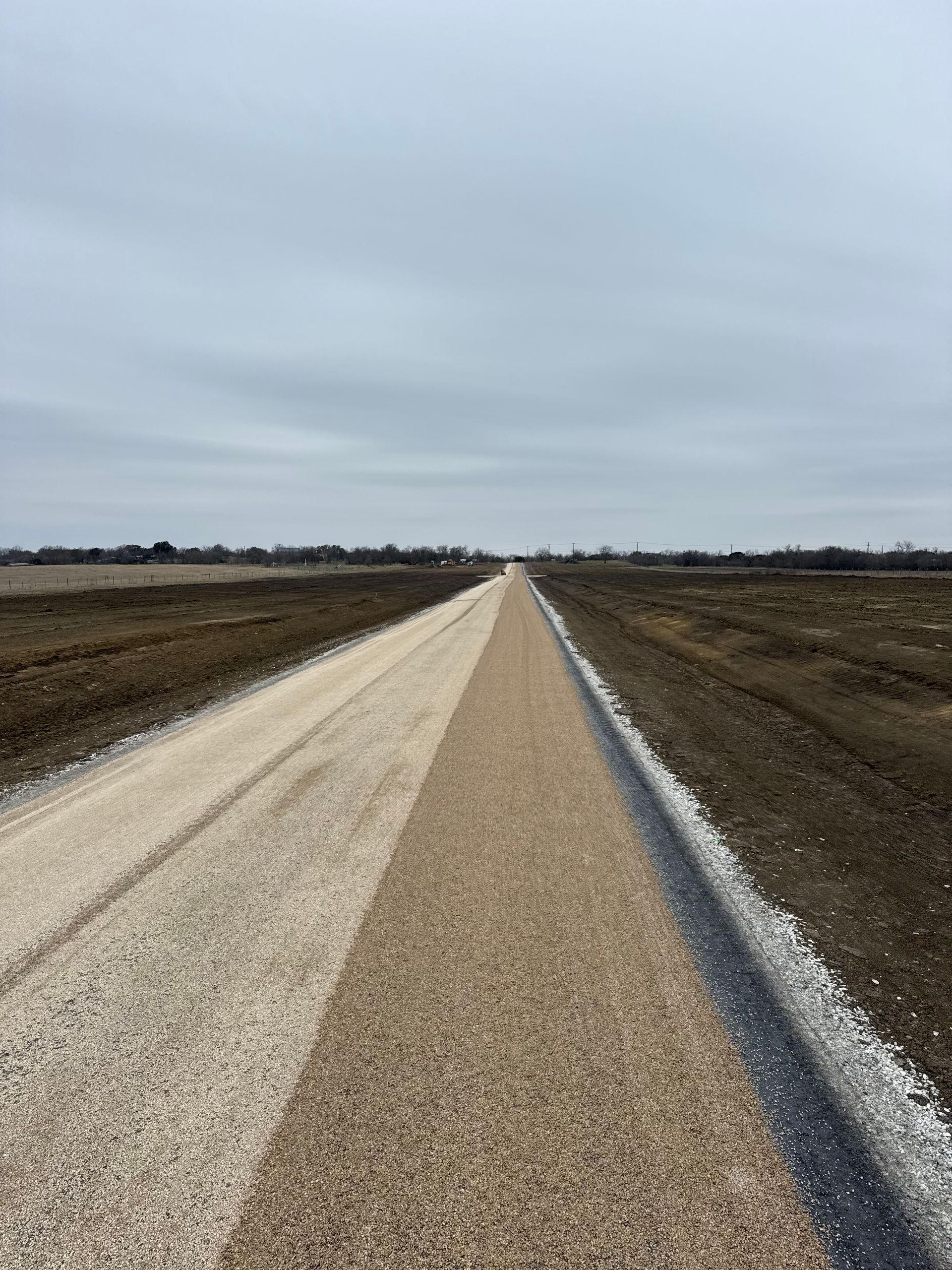
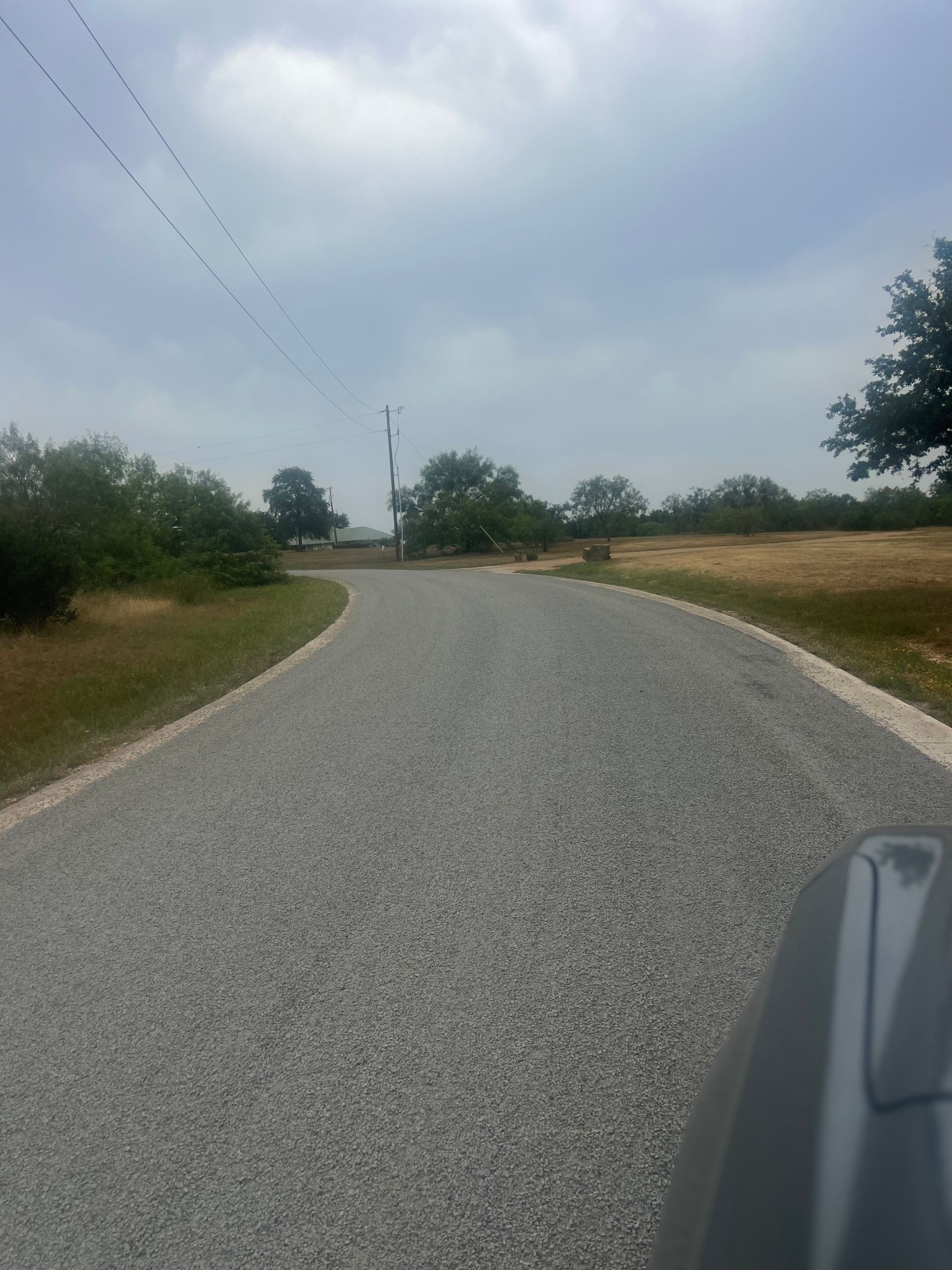
Chip sealing is a cost-effective alternative to paving that provides a durable and weather-resistant surface. It involves applying a layer of hot liquid asphalt to the existing pavement, followed by a layer of crushed stone (chips) that is compacted into place. This process enhances traction, protects against water damage, and extends the lifespan of roads and driveways. Chip sealing is an excellent choice for rural roads, driveways, and parking lots, offering a faster alternative to traditional asphalt paving.
Contact Us
7 Chip Seal Benefits You Should Know
When planning a new surface for roads or parking lots, many property owners automatically think of traditional asphalt. However, chip seal—also known as tar and chip—is a practical, cost-effective alternative that often delivers excellent results with less ongoing maintenance.
At Fish On Paving & Chip Seal, we’ve helped property owners and municipalities across Montana find smarter surfacing solutions that balance durability and budget. If you’re exploring your options, here are some important points to keep in mind.
Low cost
One of the biggest advantages of chip seal is affordability. Compared to a standard asphalt overlay, chip seal can cost significantly less—often up to half—making it a great option for large areas like rural roads, driveways, and parking lots.
Minimal cracking concerns
Chip seal surfaces have a unique ability to reduce the appearance of cracks over time. As temperatures rise, the surface can slightly soften, helping small cracks blend back together and limiting further damage.
Safer, high-traction surface
Because of its textured finish, chip seal provides better grip than smooth asphalt. This added traction can improve safety in wet or icy conditions, which is especially valuable for roads and parking areas.
Protection against moisture
Water is one of the main causes of pavement deterioration. Chip seal creates a protective layer that helps keep moisture from penetrating the surface, preserving the base and extending the life of the roadway.
Slows aging and oxidation
Sun exposure and harsh weather can cause asphalt to dry out and weaken over time. Chip seal acts as a protective barrier, reducing the effects of oxidation and helping the surface last longer.
Easier long-term maintenance
Because chip seal is more affordable, property owners are more likely to maintain and refresh the surface regularly. This often leads to better overall road and parking lot conditions.
Custom look options
Depending on locally available materials, chip seal can be finished with different stone colors and textures, allowing you to match the look to your property or environment.
How the Chip Seal Process Works
Understanding the process can help you see why chip seal is such an effective solution.
Step 1 – Surface preparation
The area is thoroughly cleaned, and any vegetation or debris along the edges is removed to ensure proper adhesion.
Step 2 – Addressing base issues
If there are weak spots in the foundation, repairs are made to stabilize the surface and create a solid base before applying the new layer.
Step 3 – Pre-leveling
Low areas may be corrected with asphalt to improve drainage and create an even surface.
Step 4 – Applying asphalt and stone
Hot liquid asphalt is sprayed evenly across the surface, followed immediately by a layer of stone chips. Timing is critical so the stones properly embed into the asphalt.
Step 5 – Compaction
Heavy rollers press the stone into place, ensuring a tight bond and a consistent surface.
Step 6 – Final cleanup
Excess stone is removed, the surface is cleaned, and the roadway or parking lot is ready for use.